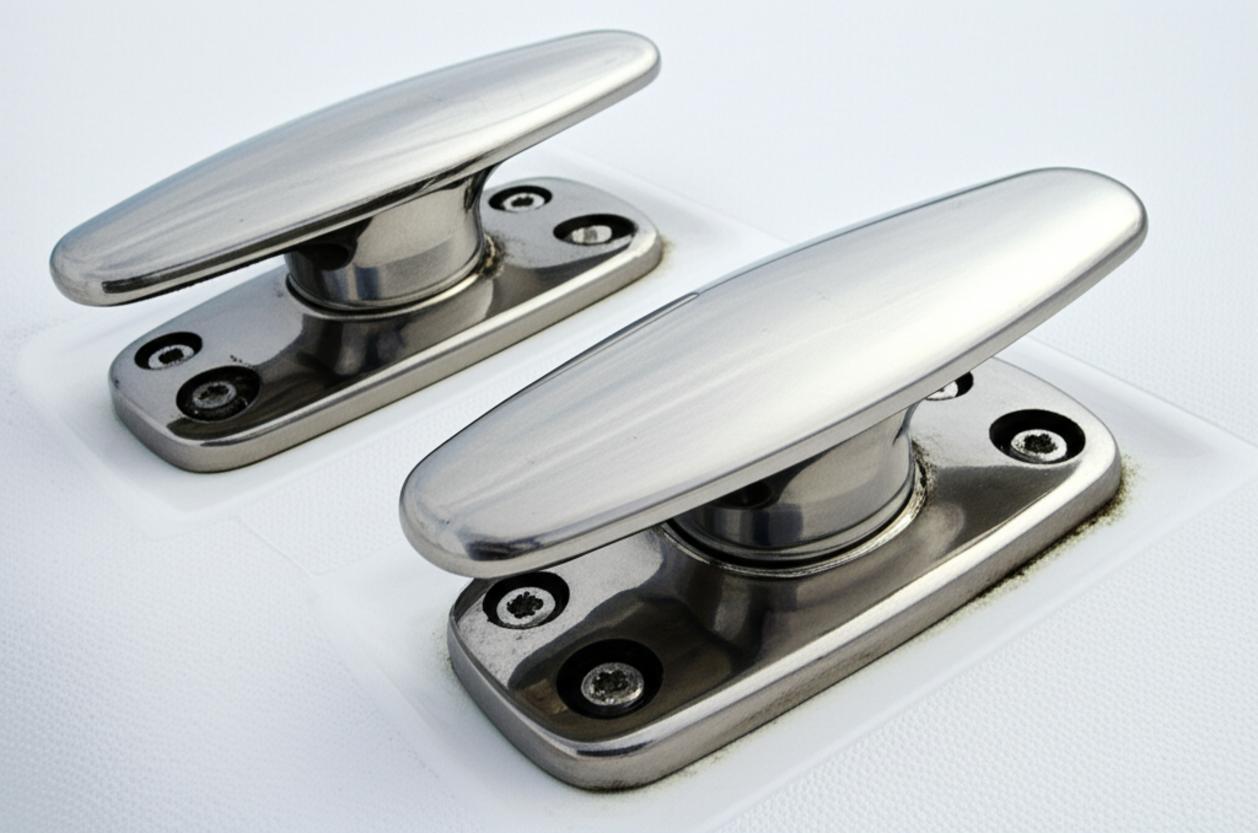
Category: Boat Deck

Check Periodically the Stainless Steel Fittings

More Than a Shine: A Sailor’s Guide to Inspecting Stainless Steel Hardware

There’s nothing quite like the brilliant glint of polished stainless steel against a deep blue sea. It speaks of strength, reliability, and modern seamanship. From the stanchions guarding our decks to the chainplates holding our masts aloft, we place immense trust in these metallic components. But here’s a hard-won piece of sea wisdom: that beautiful shine can be deceiving. Stainless steel, despite its name, is not invincible. In the harsh marine environment, it can and does corrode, crack, and fail—often silently, until it’s too late. A routine inspection of your boat’s hardware is not just a ‘nice-to-do’ task for a quiet Sunday; it’s a fundamental pillar of safe boating.

A collection of marine-grade stainless steel hardware, including turnbuckles and shackles, ready for inspection.

Understanding Marine-Grade Stainless Steel

Before we can properly inspect it, we need to understand what we’re looking at. The term “stainless steel” covers a wide family of alloys, but for marine use, two grades are paramount.

Not All Stainless Is Created Equal: 304 vs. 316

You’ll often encounter Type 304 stainless in general applications. It’s tough and corrosion-resistant in many environments, but it has an Achilles’ heel: chlorides. Saltwater is a chloride-rich soup, and 304 will eventually succumb to pitting and crevice corrosion. For any application on a boat that sees salt spray, and especially for critical components, you need Type 316. The key difference is the addition of a little element called molybdenum. This addition dramatically increases its resistance to chlorides, making 316 the undisputed king for marine hardware. If you’re replacing a fitting, always insist on 316 or its low-carbon variant, 316L.

The Myth of “Stainless”

The magic of stainless steel lies in a microscopic, invisible layer of chromium oxide that forms on its surface when exposed to oxygen. This “passive layer” is what protects the iron in the steel from rusting. The problem is, this protective layer can be damaged. Mechanical scratches, contamination with carbon steel (like from using a steel wire brush), or, most commonly, a lack of oxygen in tight crevices, can break down this barrier and allow corrosion to begin its insidious work.

The Telltale Signs of Trouble: What to Look For

Developing a keen eye for the subtle signs of stainless steel degradation is one of the most valuable skills a skipper can possess. Grab a good flashlight, a magnifying glass, and let’s go on a hunt.

Surface Stains: The Early Warning

Often called “tea staining,” this is a light, reddish-brown surface discoloration. While often cosmetic, you should never ignore it. It can be an early indicator of a poor-quality alloy (perhaps 304 masquerading as 316), contamination, or the beginning of more serious issues. It’s most common in areas that don’t get a regular freshwater rinse. A good polish with a specialized cleaner can often remove it, but note the location and keep a close eye on it.

Crevice Corrosion: The Hidden Danger

This is one of the most common and dangerous forms of failure. It occurs in oxygen-starved environments, such as under the head of a bolt, beneath a washer, between the threads of a turnbuckle, or where a chainplate passes through the deck. Water gets trapped, the oxygen is consumed, and the passive layer breaks down, creating an acidic environment that aggressively attacks the steel. The telltale sign is a weeping rust stain emanating from the joint. If you see this, that fitting needs to be disassembled, inspected, and likely replaced immediately.

Pitting: Small Holes, Big Problems

Pitting is localized corrosion that creates small, deep cavities in the steel. A few tiny pits on a cleat might not be a major concern, but on a high-load component like a rigging terminal or a prop shaft, they can act as stress risers, becoming the starting point for a stress crack. Pitting indicates that the passive layer has been compromised in specific spots, often due to microscopic imperfections in the metal or prolonged exposure to stagnant saltwater.

Stress Corrosion Cracking (SCC) and Fatigue: The Silent Catastrophe

This is the one that keeps riggers up at night. SCC is the formation of microscopic cracks in metal that is under tensile stress in a corrosive environment—a perfect description of a boat’s rigging. These cracks can propagate with no obvious outward sign of corrosion, leading to sudden, catastrophic failure. You need a magnifying glass to even have a chance of spotting them. Look for them in high-stress areas: the bends of chainplates, around swage fittings, and on toggle pins. If you suspect SCC on a critical component, the only safe course of action is replacement or professional non-destructive testing, such as dye penetrant inspection.

A Practical Inspection Checklist

Make this a part of your regular maintenance schedule—at least twice a season, and before any major passage.

Deck Hardware & Rigging

  • Stanchions and Lifelines: Vigorously wiggle each stanchion. Check the bases for fine, hair-like cracks radiating from the mounting bolts. Inspect lifeline terminals (swaged or mechanical) for any signs of cracking or corrosion.
  • Chainplates: This is ground zero for potential failure. On deck, check the sealant for any breaks. Look for fine cracks where the plate bends. Below deck, use a mirror and flashlight to inspect the entire length. Any weeping rust stains are a major red flag that crevice corrosion is at work where you can’t see it.
  • Turnbuckles: At least annually, slacken your rigging and unwind every turnbuckle. Clean the threads thoroughly and inspect them for corrosion and galling (where the threads bind and tear). Lubricate with a suitable anti-seize compound before re-tuning.
  • Shackles, Blocks, and Toggles: Check shackles for any signs of elongation or deformation—a sign they have been overloaded. Ensure clevis pins are straight and cotter pins are sound. The sheaves in blocks should turn freely.

Hull and Systems

  • Thru-Hulls and Seacocks: While less common in stainless, inspect any such fittings for pitting and crevice corrosion, especially around the flange.
  • Prop Shaft and Rudder Stock: During haul-out, carefully inspect shafts for any pitting or signs of galvanic corrosion, especially near the prop or any bearings.

Prevention: The Best Maintenance Strategy

An ounce of prevention is worth a ton of cure, especially at sea.

  • Freshwater Rinse: The simplest and most effective preventative measure. A thorough freshwater washdown after every sail removes the corrosive salt deposits.
  • Clean and Passivate: Regularly clean your stainless with a proper marine-grade cleaner (never use steel wool or carbon steel brushes!). To restore the protective layer, you can use a mild acid like oxalic acid, which will remove surface impurities and allow the chromium oxide layer to reform perfectly.
  • Proper Bedding: Ensure all deck hardware is bedded with a high-quality marine sealant. This prevents water intrusion, which is the root cause of crevice corrosion. Dig out and replace any old, cracked sealant.

Conclusion: Trust, but Verify

Your boat’s stainless steel hardware is the silent workhorse that keeps your rig standing and your crew safe. It withstands incredible forces in a relentlessly corrosive environment. But it requires your attention and your diligence. Don’t be lulled into a false sense of security by a pretty shine. Get out there, look closely, and learn the language of your hardware. A few hours of careful inspection can be the difference between a safe passage and a catastrophic failure. Trust your hardware, but always, always verify.
Keeping Your Deck Bristol Fashion: A Sailor’s Guide to Repairing Minor Cracks

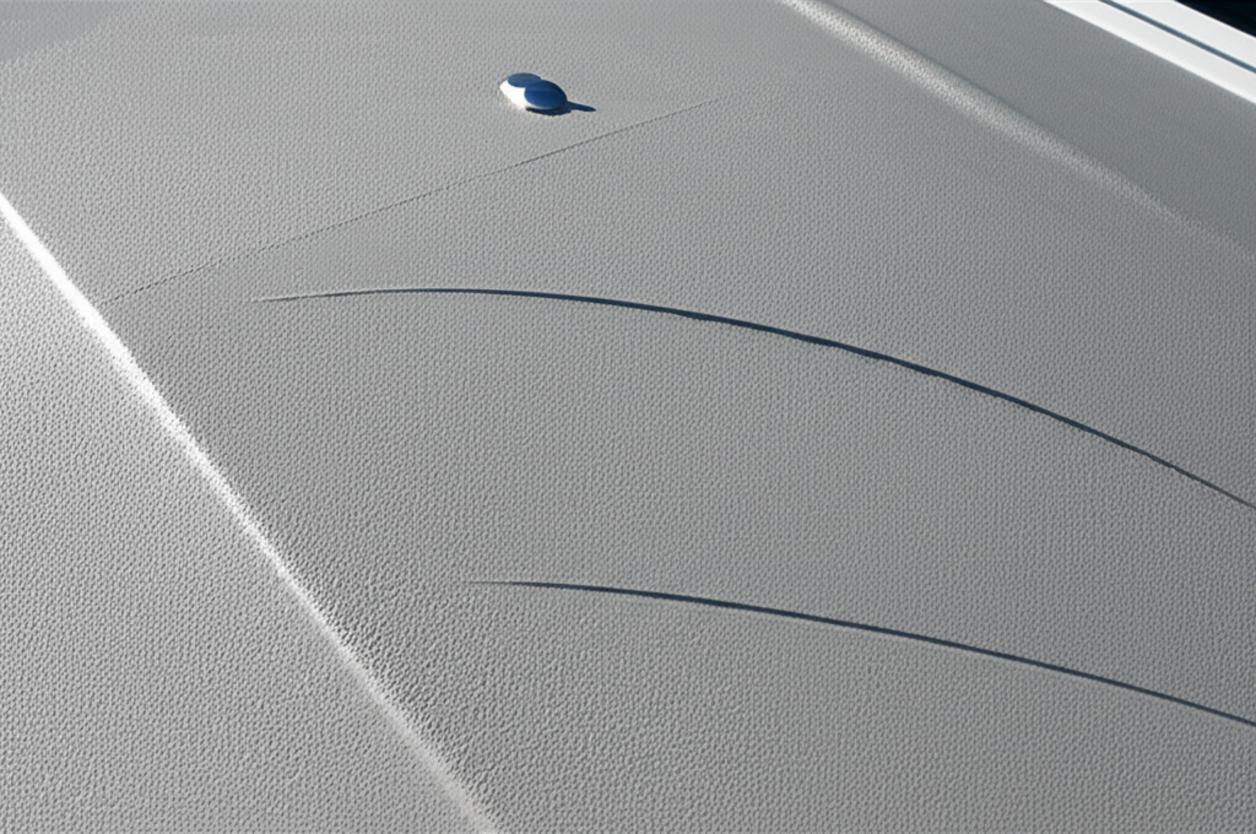
We’ve all seen them. Those fine, web-like lines spreading from a stanchion base or a tiny, singular crack appearing near a cleat. For a boat owner, discovering a new crack in the deck’s gelcoat can bring a familiar, sinking feeling. While it’s easy to dismiss them as simple cosmetic blemishes, these small fissures can be the proverbial chink in your vessel’s armor. They are not just unsightly; they are potential gateways for water intrusion, which can lead to much bigger, more expensive problems down the line, such as core delamination. The good news is that repairing minor gelcoat cracks is a highly achievable DIY project. With a little patience, the right materials, and a methodical approach, you can restore your deck’s integrity and appearance, keeping your boat in ‘Bristol fashion’.

Understanding the Enemy: What Causes Deck Cracks?

Before we dive into the repair, it’s helpful to understand what you’re dealing with. Gelcoat is the smooth, glossy outer layer of your fiberglass deck. Think of it as a very thick, durable, and somewhat brittle paint. Cracks typically fall into two categories:

* Crazing (or Spider Cracks): These are very fine, shallow cracks that often spread out in a web-like pattern. They are usually caused by the gelcoat becoming brittle from age and UV exposure, or from minor flexing of the deck beneath it. While alarming in appearance, they are typically cosmetic. * Stress Cracks: These are often single, deeper cracks that radiate from a point of high stress. Common culprits include overtightened hardware (like cleats, winches, or stanchions), a minor impact, or significant flexing in a specific area of the deck. These warrant more immediate attention as they are more likely to let water in.

It’s crucial to distinguish these from major structural cracks, which are often deep, wide, and may show signs of movement. If you suspect a crack is structural, or if the area around it sounds hollow when you tap it (a sign of delamination), it’s time to put down the tools and consult a professional marine surveyor or fiberglass expert.

The Essential Toolkit: Gathering Your Supplies

A professional-looking repair is all about preparation, and that includes having the right tools and materials on hand before you start. You don’t want to be scrambling for supplies once you’ve mixed your epoxy.

For Preparation: * Degreaser/Solvent: Acetone is the go-to for cleaning and de-waxing the area. * Rotary Tool (like a Dremel): With a small V-shaped or ball-shaped grinding bit. This is the best way to open up the crack. * Alternative to Rotary Tool: A ‘church key’ can opener or a dedicated crack-opening tool works well for manually scraping open the crack. * Masking Tape: High-quality painter’s tape to isolate your work area. * Safety Gear: Nitrile gloves, safety glasses, and a dust mask or respirator are non-negotiable.

For the Repair: * Gelcoat Paste: This is thicker than regular gelcoat and is designed to fill cracks and gouges without running. It’s essential to get a close color match. Many suppliers offer color-matching kits, or you can buy a neutral base and add tinting pigments. * Catalyst (MEKP): Methyl Ethyl Ketone Peroxide is what makes the gelcoat harden. Handle with extreme care. * Mixing Sticks and Cups: For blending the paste and catalyst. * Plastic Spreader or Putty Knife: For applying the paste.

For Finishing: * Release Agent: Either a clear PVA mold release film, or simply a piece of wax paper or heavy-duty plastic taped tightly over the repair. * Sanding Block: Crucial for achieving a flat, even surface. * Wet/Dry Sandpaper: A range of grits is essential. Start with around 220 or 320, and progress through 400, 600, 800, and up to 1200 or 1500 for a perfect finish. * Polishing Compound: A marine-grade rubbing compound followed by a finer finishing polish. * Buffer/Polisher (Optional): Can be done by hand, but a machine saves time and effort. * High-Quality Marine Wax: To protect your finished repair.

[Image: A well-organized toolkit for gelcoat repair laid out on a clean non-slip boat deck, showing a Dremel, gelcoat paste, sandpaper, and safety glasses.]

The Step-by-Step Repair Process

With your toolkit ready, it’s time to get to work. Choose a calm, dry day with moderate temperatures—ideally out of direct, hot sunlight.

Step 1: Clean and Prepare the Area Thoroughly clean the crack and the surrounding area with acetone on a clean rag. This removes wax, dirt, and oils that could prevent the new gelcoat from bonding properly.

Step 2: Open the Crack (The ‘V-Groove’) This is the most crucial and often most intimidating step. You must widen the crack to give the new gelcoat paste enough surface area to grab onto. Using your Dremel on a low speed or your manual tool, carefully grind or scrape along the crack, creating a V-shaped groove. The bottom of the ‘V’ should be at the bottom of the crack. This ensures you’ve removed all the fractured, weak gelcoat and have a solid base for your repair.

Step 3: Mask Off the Area Use masking tape to create a clean border around the V-groove you just made. This will protect the surrounding undamaged gelcoat from paste and sanding scratches.

Step 4: Mix and Tint the Gelcoat Paste Follow the manufacturer’s instructions precisely. Scoop a small amount of gelcoat paste into a mixing cup. If you need to tint it, add the pigment drop by drop and mix thoroughly until you have a perfect match. Once you’re happy with the color, add the correct amount of MEKP catalyst and mix again. Work quickly and in small batches; once the catalyst is added, you have a limited working time before it starts to harden.

Step 5: Apply the Paste Using a plastic spreader, force the paste firmly into the V-groove. The goal is to eliminate any air bubbles. Overfill the groove slightly, leaving the paste proud of the surrounding deck. This is important because the material will shrink a tiny bit as it cures, and you’ll need the excess material to sand down to a flush surface.

Step 6: Seal the Repair to Cure Standard gelcoat will not fully harden if exposed to air. You must seal it. The easiest method is to lay a piece of wax paper or clear plastic over the wet paste and smooth it out. Alternatively, you can spray it with a PVA mold release agent. This creates an air barrier, allowing a full, hard cure.

Step 7: The Art of Sanding Once the gelcoat is rock-hard (allow at least 24 hours), it’s time for the finishing work. Remove your air barrier and tape. Begin wet sanding with your coarsest grit (e.g., 320) wrapped around a sanding block. Use plenty of water and light, even pressure. Your goal is to sand the excess filler down until it is perfectly flush with the surrounding deck. You’ll know it’s flush when the sanding pattern is uniform across the repair and the adjacent original gelcoat. Progressively work your way up through the finer grits (400, 600, 800, 1200), with each new grit removing the scratches from the previous one. The surface should feel silky smooth by the end.

Step 8: Compound and Polish With the sanding complete, the repair area will look dull. This is where the magic happens. Apply a small amount of rubbing compound and, using a clean cloth or a buffer, work the area until the shine starts to return. Wipe it clean and follow up with a finer finishing polish to bring back that deep, glossy finish that matches the rest of your deck.

Step 9: Wax and Protect Finally, apply a coat of high-quality marine wax over the repaired area to protect it from UV rays and the elements. Step back and admire your work—a virtually invisible repair that has restored both the look and the integrity of your deck.

Conclusion

Repairing minor deck cracks is more than just a maintenance chore; it’s an investment in your boat’s longevity and value. It’s a skill that builds confidence and deepens the connection between a sailor and their vessel. By taking a careful, step-by-step approach, you can eliminate those unsightly blemishes and ensure your deck remains strong, watertight, and ready for whatever the sea throws its way. Fair winds and flawless decks!

Gelcoat’s Guardian Angel: The Ultimate Guide to Protective Waxes

There’s a special kind of pride that comes with watching the morning sun glide across a perfectly polished, gleaming hull. It’s a reflection not just of the sky, but of the care and effort you pour into your vessel. That deep, liquid shine isn’t just for looks, though. It’s the visual proof of a well-protected boat. The secret to achieving and maintaining that look lies in one of the most fundamental tasks of boat ownership: waxing. But this isn’t about a quick wipe-on, wipe-off job. This is about understanding the science behind the shine and giving your gelcoat the armor it needs to battle the harsh marine environment.

What Exactly is Gelcoat, and Why Does it Need a Shield?

Think of gelcoat as your boat’s skin. It’s the pigmented resin layer applied to the mold during hull construction that provides the color and smooth, glossy finish. While it looks solid and impermeable, gelcoat is actually porous on a microscopic level. This porosity is its Achilles’ heel. Over time, exposure to the elements wages a relentless war on this surface.

The primary enemy is ultraviolet (UV) radiation from the sun. Just like our own skin, gelcoat can get ‘sunburned.’ UV rays break down the resin, causing the pigments to fade and the surface to degrade. This process is called oxidation. The first sign is a loss of gloss, followed by a chalky, dull appearance. Salt, water spots, bird droppings, and environmental pollutants also seep into these pores, further accelerating the deterioration.

Protective wax acts as a sacrificial barrier. It fills in the microscopic pores of the gelcoat, creating a smooth, hydrophobic (water-repelling) layer. This shield does two critical things: it blocks UV rays from reaching the gelcoat, and it prevents salt and grime from embedding into the surface, making cleanup significantly easier.

The Arsenal: Choosing the Right Wax for the Job

Walking into a marine supply store can be overwhelming. The shelves are lined with countless bottles, tubs, and sprays, all promising the best shine and protection. Understanding the main categories will help you cut through the marketing noise and choose the right product for your needs.

* Natural Carnauba Waxes: Often called the ‘king of waxes,’ carnauba is derived from a Brazilian palm tree. It’s prized for producing an incredibly deep, rich, ‘wet look’ shine that is hard to replicate. The downside? It has a lower melting point and doesn’t last as long as synthetics, typically requiring reapplication every 2-4 months, depending on your climate and usage. It’s a great choice for boat show enthusiasts or those who enjoy the process of waxing frequently.

* Synthetic Polymer Sealants: These are the workhorses of the marine world. Instead of a natural wax, they are made from man-made polymers that cross-link to form a hard, durable shell over your gelcoat. They may not have the same visual depth as carnauba, but their protection is far superior and longer-lasting, often holding up for 6 months or even a full season. They offer excellent UV protection and are more resistant to detergents and environmental fallout.

* Hybrid Ceramic Waxes: The newest technology on the block, ceramic (often SiO2 or silicon dioxide) coatings create a semi-permanent, glass-like layer on your gelcoat that is exceptionally hard and slick. This offers the ultimate in durability and protection, sometimes lasting for over a year. The surface becomes so hydrophobic that water and dirt slide right off. However, the application process is more demanding and less forgiving than traditional waxes. The prep work must be flawless, as you are essentially locking in the condition of the surface underneath.

* Cleaner Waxes: These are ‘all-in-one’ products that contain a mild abrasive or chemical cleaner mixed with a protective wax (usually a synthetic blend). They are designed for boats with light to moderate oxidation. They save a step by cleaning, polishing, and protecting in a single application. While convenient, they don’t offer the same level of protection or longevity as a dedicated multi-step process.

The Art of Application: A Step-by-Step Guide to a Flawless Finish

Having the best wax in the world won’t matter if the application is poor. The secret to a lasting, professional-looking finish is 90% preparation and 10% application.

Step 1: The Critical Cleanse
You cannot wax a dirty boat. Start by washing the hull thoroughly with a quality marine boat soap to remove loose dirt, salt, and grime. If you have any stubborn stains like rust marks or a ‘boat mustache’ at the waterline, use a dedicated hull cleaner or stain remover to address them now.

Step 2: Decontamination and Oxidation Removal (If Needed)
Run your hand over the clean, dry gelcoat. Does it feel gritty or rough? That’s embedded contamination. Does it look dull or chalky? That’s oxidation. If the answer is yes to either, you must address this before waxing. Applying wax over oxidation is like painting over rust; you’re just sealing the problem in. For this, you’ll need a polishing or rubbing compound. A dual-action (DA) orbital polisher is your best friend here, as it makes quick work of restoring the gloss without the risk of burning the gelcoat that comes with a high-speed rotary buffer. Work in small, 2×2 foot sections until the gloss returns.

Step 3: The Application
Whether by hand or machine, the golden rule is thin is in. A thick, globby coat of wax doesn’t offer more protection; it just makes it incredibly difficult to remove.

* Work in the shade: Never apply wax to a hot surface or in direct sunlight. The wax will dry too quickly, making it nearly impossible to buff off properly.
* Work in small sections: Apply the wax to a manageable area, about the size of your wingspan. This ensures you can remove it before it fully cures.
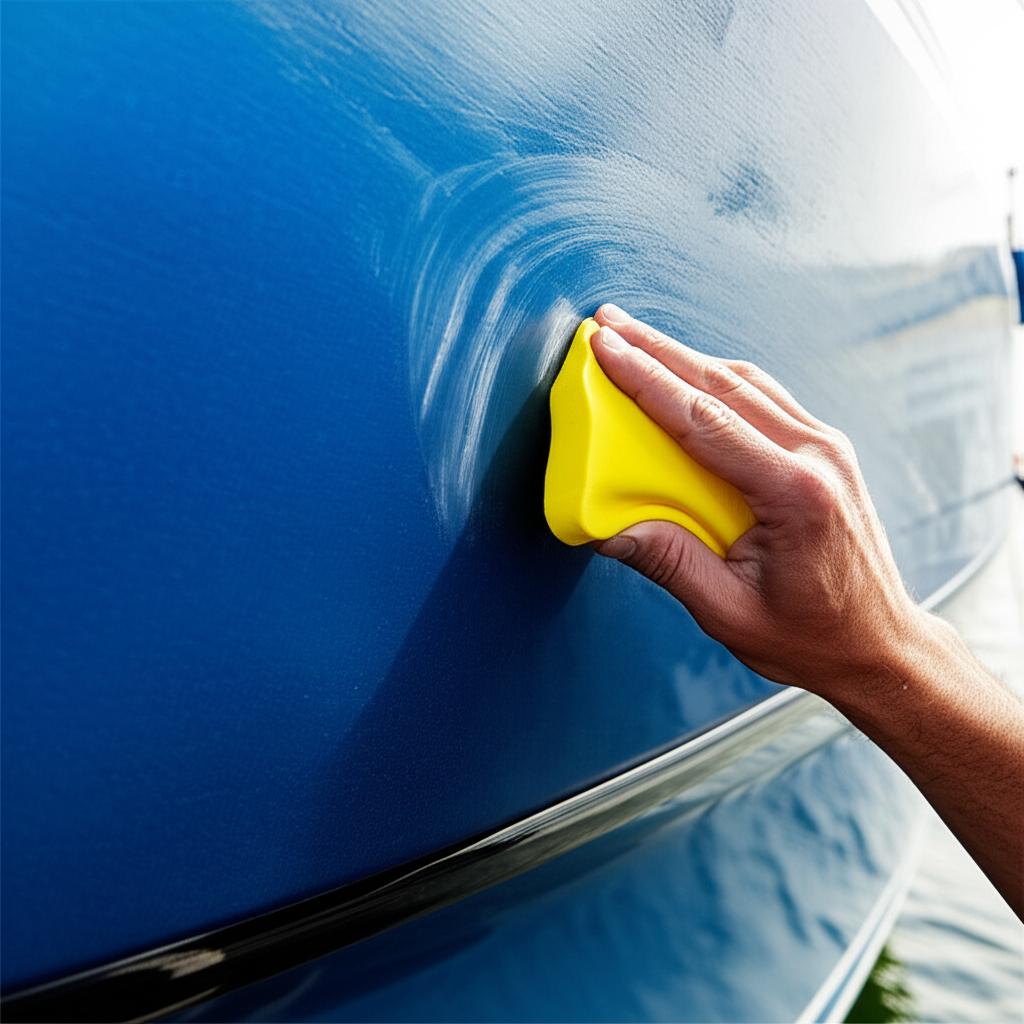
* Use the right applicator: A foam or microfiber applicator pad is ideal for hand application. If using a polisher, use a soft foam finishing pad on a low-speed setting.

Step 4: The Swipe Test and Removal
After applying the wax, let it haze over. How long this takes depends on the product, temperature, and humidity (always read the directions on the bottle). A classic way to check if it’s ready is the ‘swipe test.’ Lightly swipe your finger across the waxed area. If it leaves a clean, clear swipe, it’s ready to be buffed off. If it smears, it needs more time.

Use a high-quality, plush microfiber towel for removal. Fold it into quarters. Use one side for the initial wipe-off and flip to a clean side for the final, glossy buff. This prevents you from simply re-spreading the hazy wax residue.

Conclusion: More Than Just a Shine

Waxing your boat is more than a chore; it’s a fundamental part of responsible ownership. It’s an investment of your time that pays huge dividends. A regularly waxed hull is easier to clean, resists staining, and holds its color and gloss for years longer. It not only preserves the beauty and pride you have in your vessel but also significantly protects its financial value. So, the next time you set aside a weekend to spend with a buffer and a bottle of wax, remember you’re not just polishing a boat—you’re applying a guardian angel to its gelcoat, ensuring it’s protected for many more seasons of adventure on the water.